Champagne Gaston Collard
In Bouzy, Cyril Collard and his sister work a vineyard of less than two hectares. Their range explores Pinot Noir, Chardonnay, single parcels and the still wines of Champagne.
History
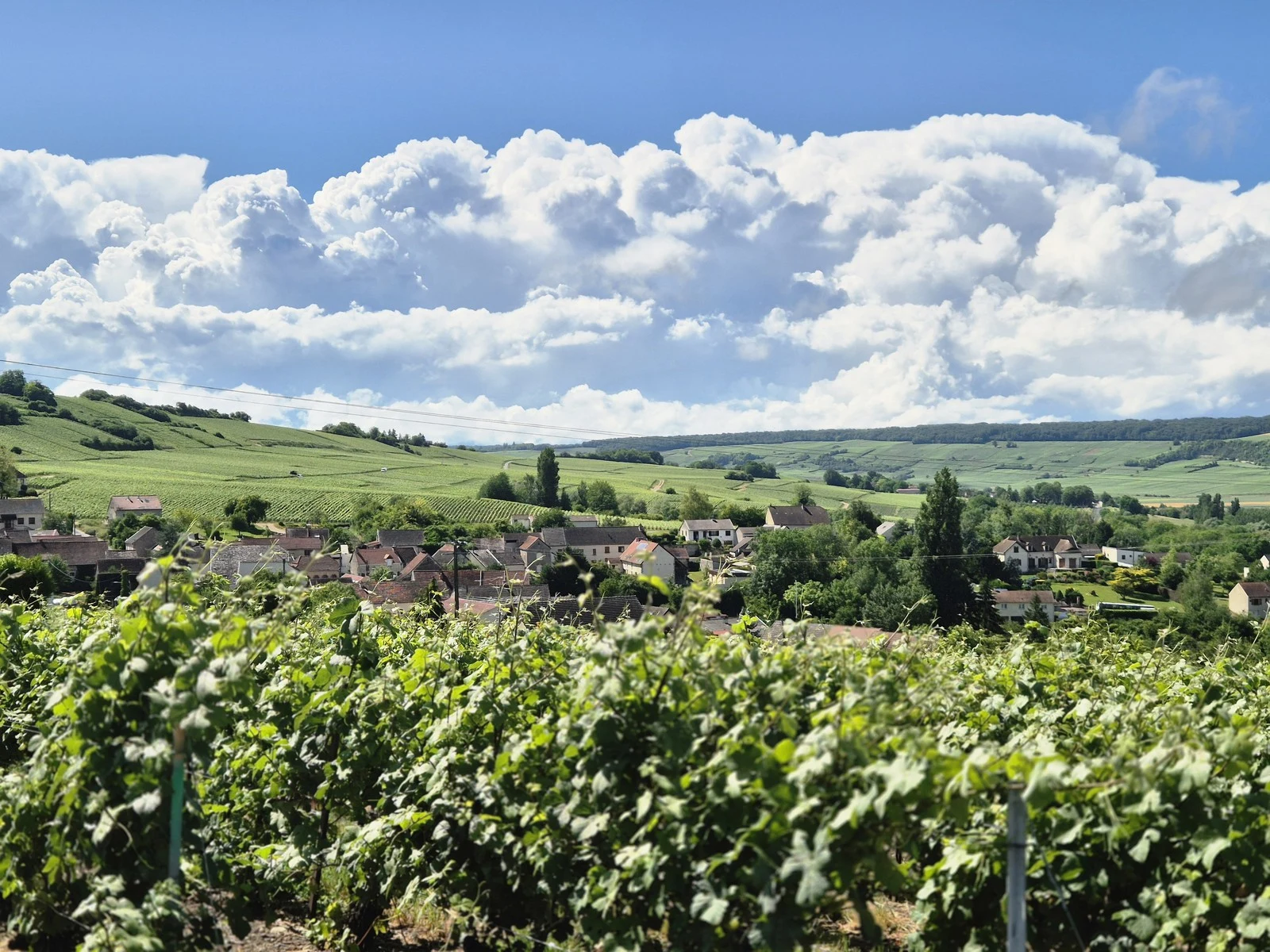
In Bouzy, one of Champagne’s seventeen Grand Cru villages, the Collard family has grown vines for more than five generations on the Côte des Noirs in the Montagne de Reims. Pinot Noir is central to the village’s sparkling and still wines. Gaston Collard sold his harvest to négociant houses. After his early death, his widow Lucie continued the vineyard work. The estate was formally established in 1937. In 1982 their sons Michel and Jackie became grower-producers, bottling the family Champagne under their father’s name. Cyril and his sister took over the house in 2012, succeeding their father Michel and uncle Jackie. Cyril trained as a sommelier at the wine school in Avize. The estate stopped using pesticides and herbicides in 2009 and is certified organic by Ecocert and biodynamic by Demeter. Less than two hectares are divided into eleven plots; the dossier records total annual production of 10,000–12,000 bottles, without implying current stock. The plots are vinified separately, with barrel and stainless-steel work and reserve wines built cuvée by cuvée. Ratafias and still Coteaux Champenois can spend up to three years in barrel. The range includes Zero Dosage, awarded 92 points by Andreas Larsson, as well as single-plot and Exception cuvées.
Terroir
Bouzy sits at the foot of the Montagne de Reims on the Côte des Noirs, with south-facing slopes known for ripe Pinot Noir. Its still red Bouzy wine is distinct from Champagne. The Collards’ eleven small plots support Tradition, single-plot and Exception Champagnes, ratafias and white and red Coteaux Champenois. The house combines Pinot Noir substance with low dosage and precision. The dossier also describes ‘Vigneron d’un jour’ vineyard visits followed by a tasting; arrangements must be checked with the estate.
Winemaking
Parcel vinification in stainless steel and oak, with reserves selected for each cuvée. Coteaux Champenois and Ratafia are part of the range and are classified separately from champagne.