Champagne Bourgeois-Diaz
In Crouttes-sur-Marne, Jérôme and Charlotte Bourgeois-Diaz make parcel-led champagnes with Meunier at their heart. A small family estate, hands-on farming and a precise,…
History
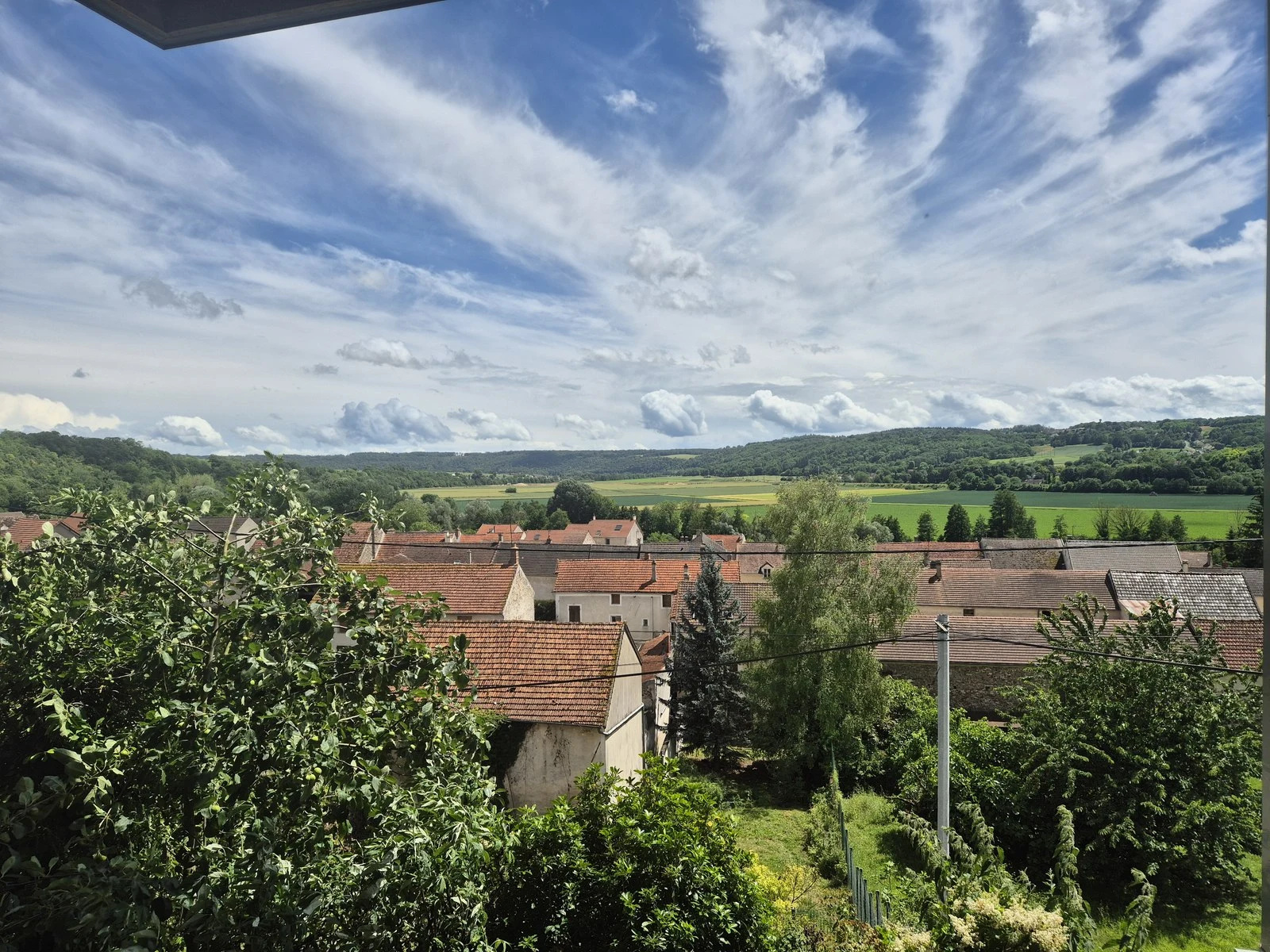
Halfway between Paris and Reims, Crouttes-sur-Marne overlooks the river in the Marne Valley. The Bourgeois family has grown vines here for four generations: 6.8 hectares across Crouttes-sur-Marne, Nanteuil-sur-Marne and Villiers-Saint-Denis, on clay-limestone slopes facing south-east and south-west. The vines average forty years of age, with some plots dating to the 1930s. Pinot Meunier accounts for 52% of the vineyard, alongside Pinot Noir and a small Chardonnay plot. For many years the family sold grapes to the large Champagne houses. In 2001 Jérôme Bourgeois-Diaz left industry to return to the family vines, as his mother decided to bottle their own Champagne. With René Duclos and Pierre Masson as mentors, he moved towards biodynamics in 2009. The estate’s official website dates its organic and biodynamic certifications to 2014. Work is artisanal, without synthetic inputs, and the estate describes harvest dates guided by the lunar calendar. Charlotte joined the estate in 2016. Grapes are pressed by hand on a 1924 Coquard press using the traditional retrousse technique, then fermented with indigenous yeasts in clay eggs, barrels and amphorae. Each plot is vinified separately before blending. Almost all the cuvées are Brut Nature, with no dosage sugar.
Terroir
Crouttes-sur-Marne lies on the right bank of the Marne at the western edge of Champagne. Wooded slopes, meadows and gently inclined vines catch morning and afternoon sun. This is Meunier country. The house’s vinous, precise style follows from the place and its low-intervention work: fine bubbles, saline depth and almost universally no dosage. Names such as BD’3C, BD’N, BD’M and BD’B identify a blend, grape, lieu-dit or method rather than interchangeable labels.
Winemaking
A 1924 Coquard press, indigenous-yeast fermentations and separate parcel vinification. Clay eggs, barrels and amphorae shape the ageing, with most cuvées released as Brut Nature.