Biodynamics
What biodynamics is, what it changes in the vineyard and the cellar, and why Wines Horizon chose it.
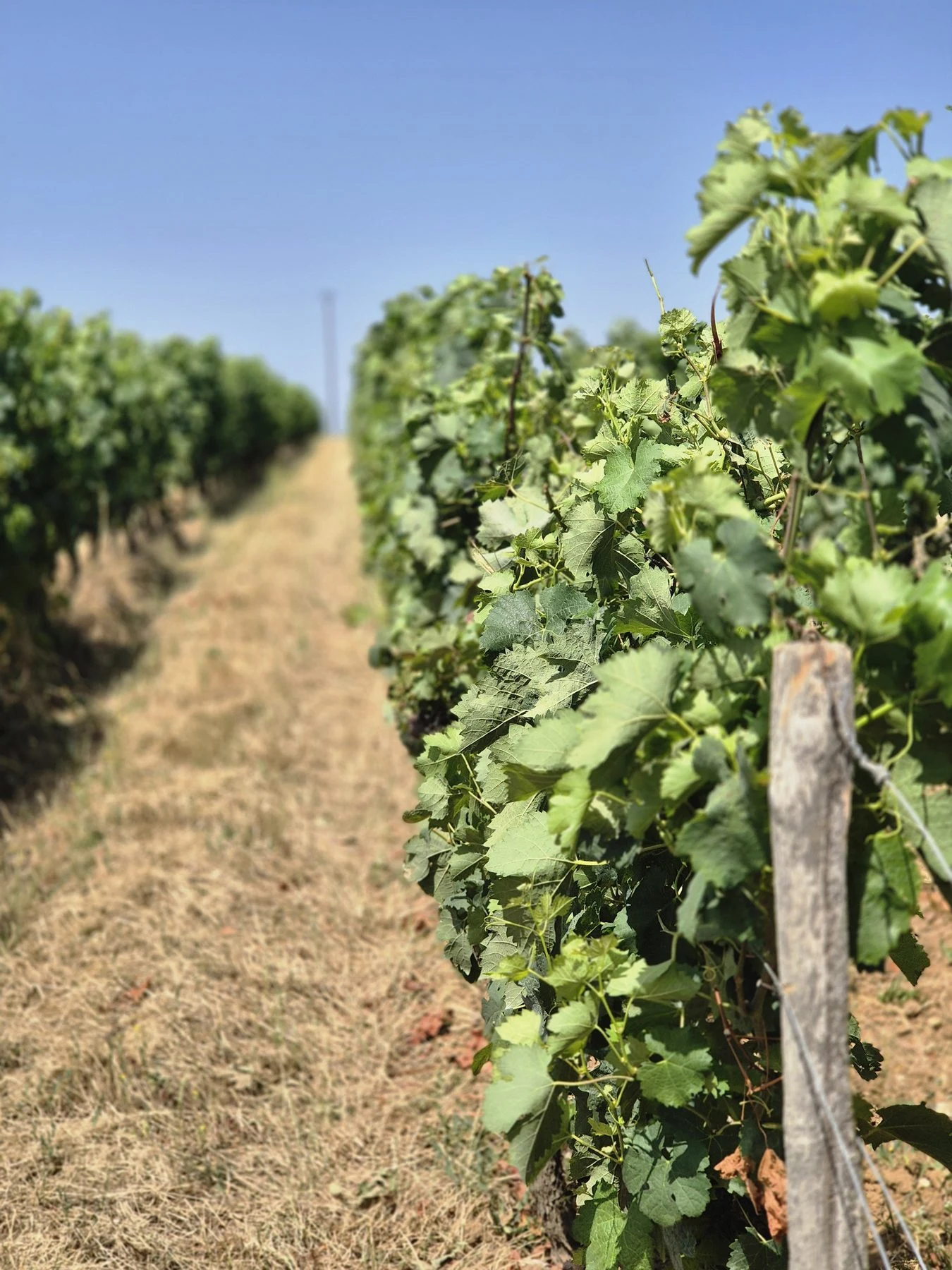
Biodynamics
Organic, only more demanding.
When people think “organic”, they picture vines without chemicals, living soil, a grower who observes the plant rather than treating it by reflex, and a wine that has not been corrected with additives. That picture is exactly biodynamics. It is organic as people imagine it, taken all the way. In our eyes it is also today’s true luxury in wine. Not a luxury of labels, but of time, labour and attention: more work by hand, lower yields, decisions made by observing each plot, and wines that resemble nothing but their place.
Where does biodynamics come from?
Biodynamics was born in 1924 from a series of eight lectures given by the Austrian philosopher Rudolf Steiner to farmers gathered in Koberwitz, Silesia, who were worried about the impoverishment of their soils. Its central idea: a farm, or a wine estate, is a living organism. Soil, plants, animals, the grower and the rhythms of nature form a whole that should be strengthened, rather than treating each problem in isolation. A century later, biodynamics is practised worldwide. In France it appeals above all to winegrowers: according to the Mouvement de l’agriculture biodynamique (2026 press kit, 2025 data), it covers 2.5% of French vineyards, and the Demeter label counts 709 wine estates on 14,453 hectares. Small in volume, but found at many of France’s most renowned estates.
In the vineyard: feeding the soil rather than treating the plant
Biodynamics starts from the organic specification (no synthetic pesticides, herbicides or fertilisers), then goes further. Horn manure (preparation 500). Cow manure buried in a horn over winter, then diluted in water, “dynamised” (stirred) at length and sprayed on the soil. Practitioners use it with the intention of supporting soil life and rooting. Horn silica (preparation 501). Finely ground quartz, prepared the same way and sprayed on the leaves. Practitioners associate it with their work on foliage and grape ripening. Biodynamic compost. It is enriched with six plant-based preparations (yarrow, chamomile, nettle, oak bark, dandelion, valerian), numbered 502 to 507. Herbal teas and decoctions (horsetail, nettle, willow…). They form part of vineyard practice alongside copper and sulphur, whose use is regulated in organic farming. The calendar of natural rhythms. The grower times the work (pruning, ploughing, treatments, harvest, bottling) to the cycles of the moon and planets. Biodiversity. Hedges, trees, cover crops, animals, horse ploughing at several of our estates. The Demeter specification requires dedicating part of the land (10%) or concrete actions to biodiversity.
In the cellar: letting the grapes speak
The Demeter France specification regulates winemaking inputs and practices. It sets ceilings for total SO₂ at bottling according to wine type, colour and fermentable sugars. An authorised ceiling does not tell us the actual level in a bottle: that requires analysis of the wine concerned. “No added sulphites” does not mean entirely sulphite-free. Estate certification alone does not automatically certify every cuvée or vintage. The sheets for several estates in our selection describe cuvées with no added sulphites. This must be checked for each reference and vintage; it cannot be inferred from the estate name. Brut Nature refers to dosage sugar, not the SO₂ level.
Organic or biodynamic: telling them apart
Synthetic pesticides, herbicides and fertilisers. Organic farming (EU): prohibited. Biodynamics (Demeter): prohibited. Biodynamic preparations (500, 501, compost). Organic: not required. Demeter: mandatory. Copper (against mildew). Organic: 28 kg/ha over 7 years, i.e. 4 kg/ha/year on average. Demeter: 3 kg/ha/year on average over 7 years. Conversion. Organic: the cultivated areas. Demeter: the whole farm. Biodiversity. Organic: no quantified requirement. Demeter: 10% of the land or concrete actions. Sulphur (SO₂). Demeter regulates additions and sets ceilings for total SO₂ at bottling, according to wine category and fermentable sugars. These permitted limits are not measured levels in each bottle. Labels. Organic: EU leaf, AB, certification bodies (Ecocert…). Biodynamics: Demeter (certification), Biodyvin (growers’ association). Sources: Demeter France, 2026 viticulture comparison (demeter.fr); Mouvement de l’agriculture biodynamique, 2026 press kit.
Why we chose biodynamics
Because it is genuinely natural. Not a marketing argument: a specification checked every year, which bans synthetic chemicals in the vineyard and strictly limits inputs in the cellar. Because it is good for the planet. Living soils that store water and carbon better, less copper, more biodiversity, hedges, insects, birds. Choosing these wines means supporting growers who preserve their land for the generations to come. Because we should drink less, but better. Standardised wine, mass-produced and corrected in the cellar, no longer holds any interest. Today people want to know where what they drink comes from, who made it and how. Every bottle in our portfolio answers those three questions. Because these are carefully mastered wines. Biodynamics does not mean letting things happen. Our growers are among the most technical we know: their precision simply serves the grapes rather than correction. And we have checked everything on site. That is why biodynamics is our requirement for the future: as Wines Horizon grows, every new estate joining our portfolio will be biodynamic, high-end and bring genuine added value. “Biodynamics is the luxury of organic: true organic, as people imagine it.” Wines Horizon